Flood water is the contaminated category
Flood cleanup is the removal, sanitizing, and drying of a home hit by ground or storm water, and it is treated differently from a clean pipe leak because the water is contaminated. Water that rises up through the ground or runs across yards and roads is Category 3, the dirtiest class of water loss. It can carry sewage, fertilizer, fuel, and bacteria. That is why flood cleanup is a health job first and a drying job second.
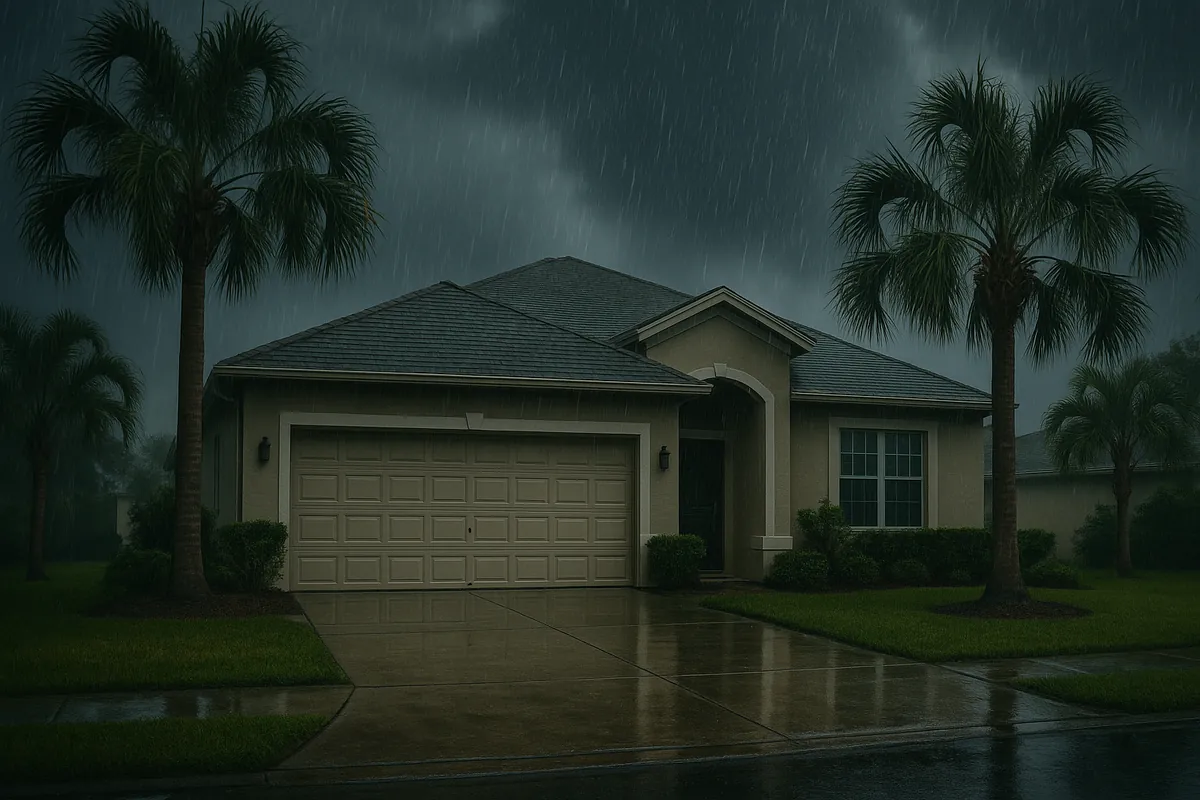
In Marion County, the risk is real near the Withlacoochee and Rainbow rivers around Dunnellon, in low-lying neighborhoods, and anywhere a heavy summer storm dumps rain faster than the ground can take it. When that water gets inside, the clock and the contamination both work against you.
How flood cleanup works
- 1
Make the area safe
We check for electrical and structural hazards before anyone steps in. Standing flood water near outlets or a gas line is not something to wade into.
- 2
Remove the water
Pumps and extractors clear the standing water fast, the same as any loss but with contamination protocols in place.
- 3
Discard what cannot be saved
Porous materials that soaked up contaminated water, like carpet pad, wet insulation, and swollen drywall, come out. Hard surfaces get cleaned and kept.
- 4
Sanitize and dry
We clean and apply antimicrobial treatment to the exposed surfaces, then run structural drying so nothing molds behind the walls.
What stays and what goes
| Usually removed | Usually saved |
|---|---|
| Carpet and carpet pad | Tile and sealed concrete floors |
| Soaked drywall and insulation | Solid wood framing, once sanitized and dried |
| Particleboard furniture and cabinets | Hardwood furniture that can be cleaned |
| Mattresses and upholstered items | Metal, glass, and hard plastics |
If the flooding brought sewage or a septic backup, that raises the stakes further. See sewage and black water cleanup. For storm-driven intrusion through the roof or windows, see storm damage cleanup.
Flood cleanup questions
Is flood water more dangerous than a pipe leak?
Yes. Ground and storm flood water is classed as Category 3, the contaminated category, because it can carry sewage, lawn chemicals, and bacteria. It is not just wet, it is a health risk. Porous items it soaks usually come out rather than getting dried in place.
Does homeowners insurance cover flooding?
Standard homeowners policies usually exclude rising flood water, which needs separate NFIP or private flood insurance. Water from a burst pipe is different and often covered. We document the source and damage and tell you honestly what we see before any work begins.
What has to be thrown out?
Porous materials that soaked up contaminated water are usually removed: carpet pad, soaked drywall, insulation, and particleboard furniture. Hard surfaces like tile, sealed concrete, and solid wood can often be cleaned, sanitized, and saved once the area dries.
How soon should cleanup start?
As fast as possible, ideally the same day. Contaminated water spreads bacteria and mold can start within 24 to 48 hours. The longer flood water sits, the more materials cross from cleanable to removable, so early cleanup lowers both the health risk and the cost.
Often part of a flood job
Flood water gets more dangerous the longer it sits
Do not wade in and do not wait. Call now and a licensed crew handles the contamination and the cleanup.
Call (352) 696-8100