Sewage is Category 3 black water, the most hazardous water loss there is
Sewage and black water cleanup is the containment, removal, and disinfection of a home hit by a sewage backup, and Dry Ocala treats it as a health-and-safety job before it is a cleanup job. Sewage is classed as Category 3 black water, the most hazardous class of water loss, because it carries bacteria, viruses, and parasites. This is not water that got dirty. It is contamination that happens to be wet, and touching it or breathing the air around it can make you sick.
Out in the rural parts of Marion County, septic systems are common, and that changes how sewage gets into a home. In Ocklawaha, Anthony, Reddick, and the unincorporated areas, a saturated drain field or a blocked main line pushes sewage back up through the lowest drains in the house. In town, a toilet overflow from a main-line clog is a frequent cause. Either way, the water is contaminated the moment it appears.
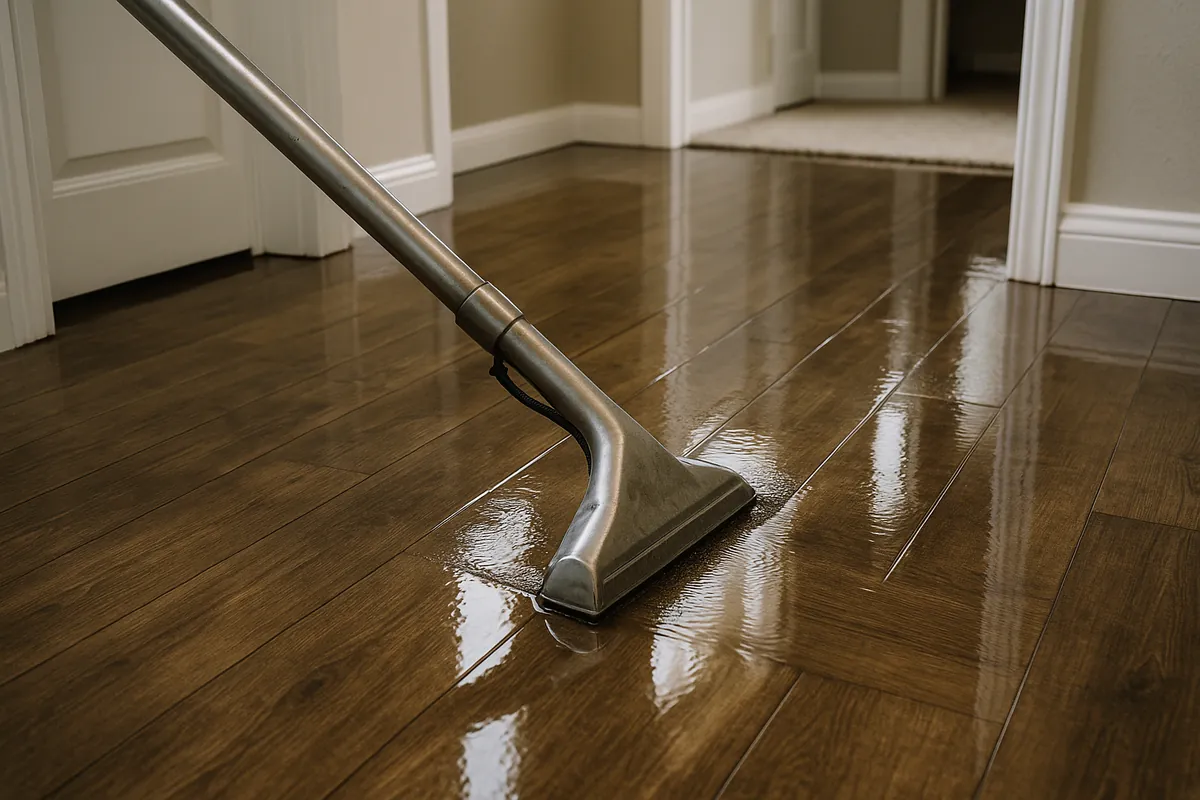
How we clean up a sewage backup
- 1
Keep everyone out and make it safe
People and pets come out of the contaminated area first. A sewage backup is handled as a health hazard, so nobody goes back in until it is contained.
- 2
Contain with negative air
We seal off the affected rooms and run negative air pressure, so bacteria and odor stay put instead of drifting into clean parts of the home.
- 3
Remove the sewage and the porous materials
Working in PPE, we extract the black water and tear out carpet, pad, drywall, and insulation that touched it. Porous materials cannot be disinfected, so they are disposed of, not cleaned.
- 4
Clean, disinfect, dry, and deodorize
Hard surfaces get cleaned and treated with an antimicrobial. Then we dry the structure and deodorize, so the space is safe to occupy, not just clean to the eye.
What we remove versus what we disinfect
| Removed and disposed of | Cleaned and disinfected |
|---|---|
| Carpet and carpet pad that touched sewage | Tile and sealed concrete floors |
| Contaminated drywall and insulation | Solid framing, once disinfected and dried |
| Particleboard cabinets and furniture | Metal, glass, and hard plastics |
| Anything porous the black water soaked into | Non-porous hard surfaces after antimicrobial treatment |
If the backup came in with rising storm or ground water, it may also be a flood cleanup job on top of the sewage. Once the contamination is out and the area is dried, the rest of the recovery runs like any water damage restoration, and we watch closely for mold in anything the sewage reached.
Sewage cleanup questions
Is sewage water actually dangerous?
Yes. Sewage is Category 3 black water, the most hazardous class of water loss, and it carries bacteria, viruses, and parasites that cause real illness. Even short contact or breathing the contaminated air is a health risk, which is why a sewage backup is a safety job before it is a cleanup job.
Can I clean a sewage backup myself?
No. Homeowners should not clean a sewage backup themselves, because black water carries pathogens that a mop and household bleach do not neutralize, and disturbing it spreads contamination through the air. Cleanup needs PPE, containment under negative air pressure, and proper disposal of everything the sewage touched.
What has to be thrown away?
Porous materials that touched sewage are removed and disposed of, not cleaned: carpet, pad, drywall, and insulation all come out. Hard surfaces such as tile, sealed concrete, and metal can be cleaned and disinfected with an antimicrobial and kept, once the black water is gone and the area is dried.
Does insurance cover a sewage or septic backup?
Often not by default. A sewer or drain backup usually needs a separate backup rider added to a homeowners policy, since standard coverage frequently excludes it. We document the source and damage in detail so you have what you need before any claim, and we tell you honestly what we see.
Often part of a sewage job
Do not touch it, and do not wait it out
A sewage backup only gets more contaminated the longer it sits. Call now and a licensed crew contains it and cleans it safely.
Call (352) 696-8100